
DUMBO is one of Brooklyn's most photographed neighborhoods. From cobblestone streets to the Manhattan Bridge framing the skyline, and the waterfront at Brooklyn Bridge Park, it is the kind of place where you can’t resist pulling out your phone. So, whether you’re shooting content for work or capturing special moments with friends, your smile probably ends up in the frame more often than you might think.
At Leaf Dental on Adams Street, two of our most popular cosmetic treatments are professional teeth whitening and dental bonding. What do they have to do with each other? In cosmetic dentistry, the concerns are entirely different. However, understanding both and knowing which one applies to your situation is a great starting point for any conversation about improving your smile.
What Whitening Does (and What It Cannot)
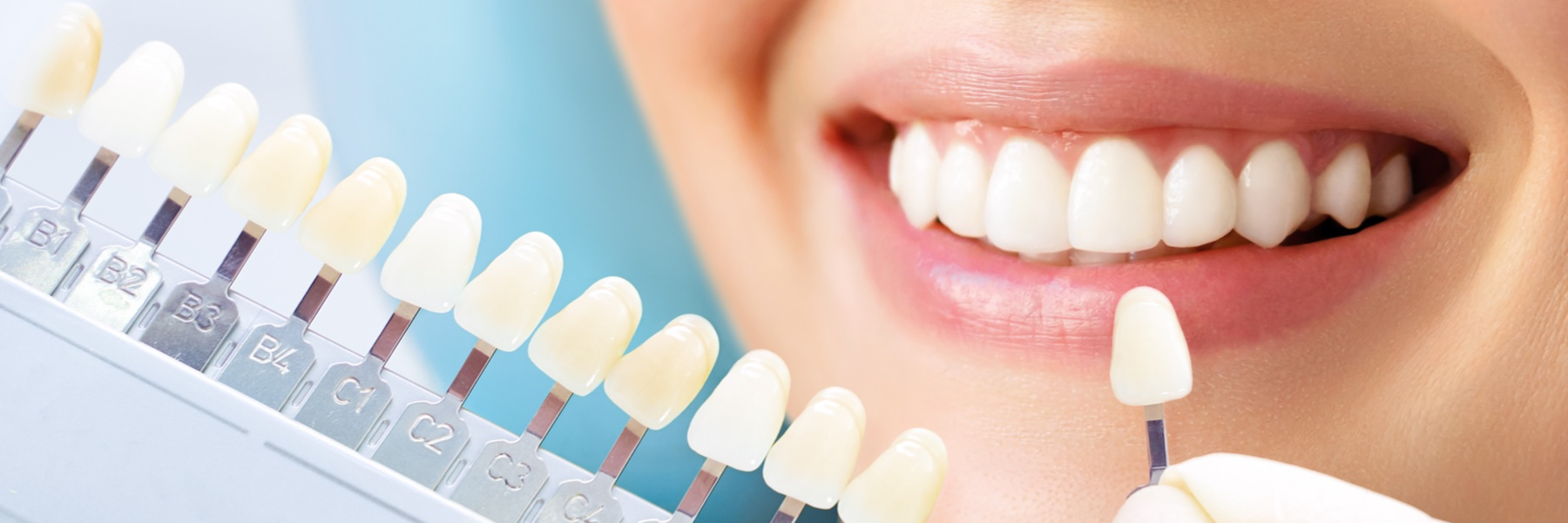
Professional teeth whitening addresses one thing: tooth color. Specifically, it lifts stains and discoloration from the tooth’s surface, returning it to a lighter shade. Professional whitening produces more consistent results than over-the-counter products. Because your dentist assesses your teeth, they recommend a concentration appropriate for your specific type and level of discoloration. It’s also important to know that crowns, veneers, and bonding do not respond to whitening.
Choose the Whitening Option That Works for You
At Leaf Dental, we offer whitening with two Opalescence options. Opalescence Boost is an in-office treatment we complete in a single appointment. The process involves a chemically activated gel that does not require light or a laser, making it a straightforward option. If you prefer to whiten at home on your schedule, we also provide custom take-home trays with Opalescence gel.
What Whitening Alone Cannot Fix
What whitening cannot do is change the shape, size, or structure of a tooth. A tooth that is chipped, uneven, or has a small gap next to it looks the same after whitening, just a few shades lighter. This is where cosmetic dental bonding reenters the conversation.
What Bonding Does (and Why It Gets Overlooked)
Dental bonding is an easy, straightforward process:
- Our cosmetic dentist prepares the tooth by applying a liquid to roughen the surface slightly
- Next, they apply the tooth-colored composite resin material directly to the tooth surface
- During the next steps, your dentist shapes and sculpts the material to address chips, cracks, small gaps, uneven edges, or minor size discrepancies between teeth.
- As each layer is applied and sculpted, it is hardened and cured. Once shaped, we harden the resin with a curing light and polish it to blend with the surrounding tooth.
The reason you may not have heard much about cosmetic bonding is partly due to marketing. It is not as dramatic-sounding as a smile makeover, and it does not require the kind of commitment that veneers do. But that is what makes it valuable.
A More Conservative, Proven Alternative
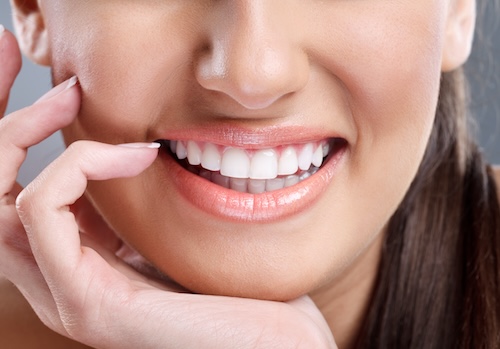
Dental bonding is one of the simplest ways to restore the natural look of your teeth. According to the ADA's MouthHealthy.org, bonding fuses tooth-colored materials, including porcelain and resins, directly to your natural tooth enamel and dentin, creating a strong structure that blends seamlessly with your smile.
In practical terms, bonding offers several advantages:
- Completes in a single appointment in most cases
- Requires little to no removal of existing tooth structure
- Delivers immediately visible results
- Corrects chips, uneven edges, and small gaps
The Cleveland Clinic notes that, unlike veneers and crowns, which require removing a significant amount of enamel, dental bonding typically skips enamel removal entirely, making it one of the more conservative cosmetic options available. The procedure takes about 30 to 60 minutes per tooth and usually wraps up in one visit.
How Whitening and Bonding Work Together
Now, back to the comparison of whitening and bonding. While each addresses different problems, there are cases where one patient may benefit from both.
Here’s a common scenario: A patient has a front tooth with a small chip along the edge, plus general staining from years of drinking coffee and tea. Whitening addresses the staining. Bonding addresses the chip. There’s no overlap.
However, sequencing the treatments in the right order is crucial. We carefully color-match the composite resin to your existing tooth shade when applied. Whitening after bonding means your natural teeth get lighter, but the bonded resin does not, and the repair becomes visible.
We recommend whitening first, allowing the results to stabilize, then proceeding with bonding matched to the new, lighter shade. This order yields a result in which both treatments are invisible and complement each other.
This explanation isn’t necessarily a recommendation for combining services. For some, whitening alone is the solution. For others, bonding alone addresses the concern. The point is that understanding what each treatment does and does not do can help you ask more relevant questions during your consultation.
When to Consider Veneers Instead
Bonding works well for isolated or minor concerns. When multiple teeth need reshaping or when the concern involves more significant structural issues, veneers may be a more appropriate option. Veneers are thin porcelain or composite shells bonded to the front surface of teeth and are better suited to cases involving several teeth or more extensive cosmetic changes.
The trade-off is that veneer placement involves removing a small amount of enamel from the tooth surface, a permanent alteration. Bonding preserves nearly all of the natural tooth structure. However, bonding lasts 5 to 7 years, while veneers can last 10 years or longer.
Schedule a Cosmetic Consultation at Leaf Dental
If you are not sure whether whitening, bonding, or a combination of both is the right starting point for your smile, we recommend a consultation as your next step. The answer ultimately depends on what specifically bothers you about your current smile.
Leaf Dental has served patients in DUMBO, Brooklyn Heights, Downtown Brooklyn, Cobble Hill, Fort Greene, and the Financial District since Dr. Eugene Goldman founded the practice in January 2014. The team includes Dr. Goldman, Dr. Hye Soo Emiliana Kim, Dr. Anthony Agosto, Dr. Natalie Hirayama, and Dr. Shady Samuel. Each brings unique backgrounds and skillsets, allowing us to offer a wide range of cosmetic and general dental treatments.
Leaf Dental is located at 18 Adams Street, Brooklyn, NY, 11201, with appointments available Monday through Saturday. Contact us at (347) 919-9365 or book online to schedule your cosmetic consultation.